
INDUSTRY OUTLOOK & DISTRIBUTOR ANALYSIS
Commercial Laundry Market Growth: What Equipment Distributors Need to Evaluate
October 12, 2026 | SIMPLECLEAN Editorial Team
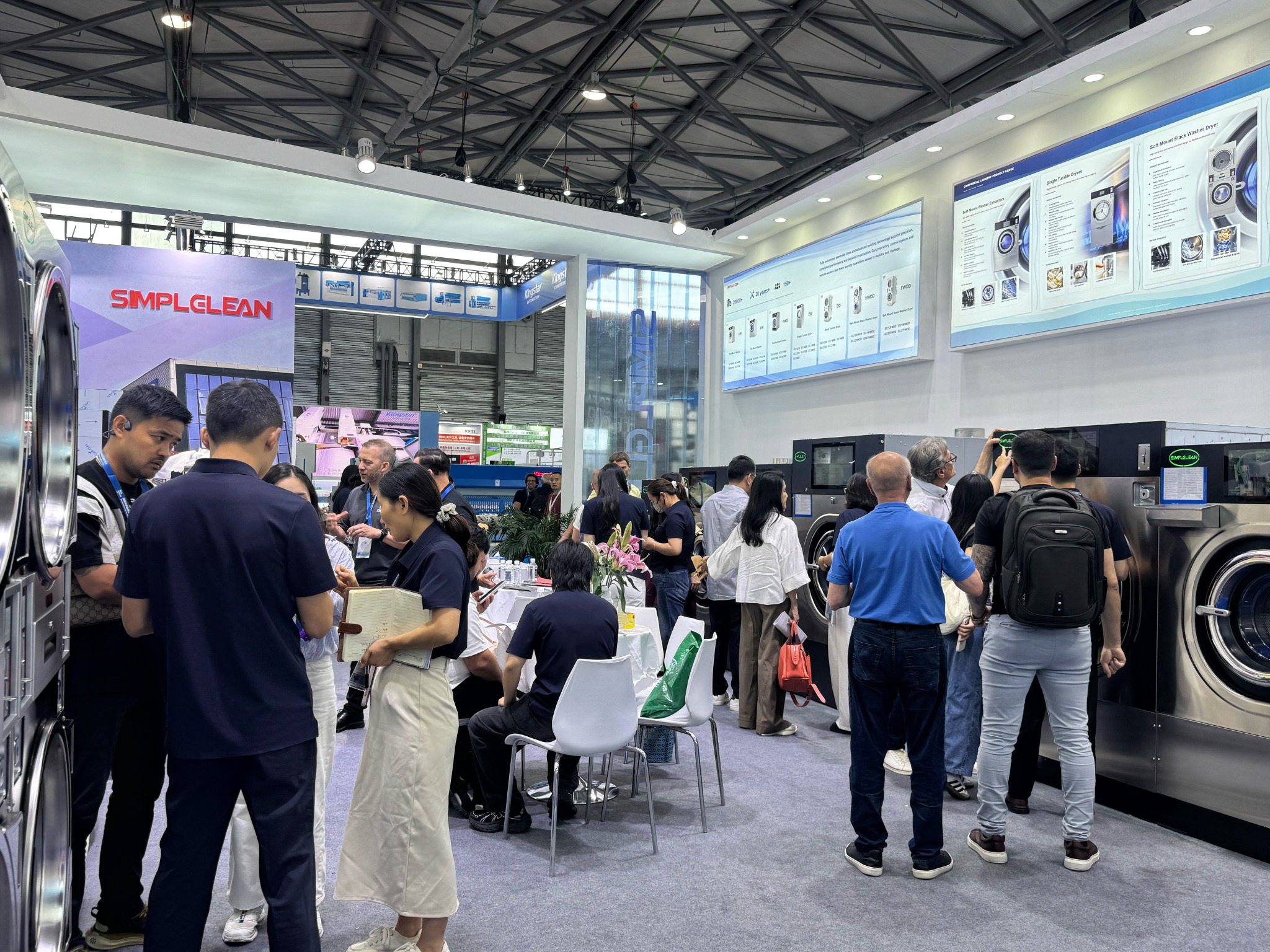
Global Market Insights’ September 2026 outlook estimates the commercial laundry machines market at USD 8.50 billion in 2025 and forecasts USD 15.20 billion by 2035, with 5.9% compound annual growth from 2026 to 2035. The publisher identifies equipment productivity, resource efficiency, connectivity and serviceability as purchasing considerations. [1]
For equipment distributors, these forecasts raise a more practical question: which customer requirements should shape the next product order? A growing market does not make every capacity, configuration or business model equally attractive. The opportunity depends on selecting equipment that customers can install, operate and maintain under local conditions.
1. Read the Market Definition Before Using the Headline Figure
The report covers commercial and institutional washers, dryers, washer-dryer combinations and finishing equipment. Residential appliances, solvent-based dry-cleaning systems, chemicals, spare parts and independently sold aftermarket services are excluded. Its forecast therefore describes a defined equipment market, rather than total laundry-service revenue. [1]
This distinction matters when preparing a distributor business plan. Revenue from washing customers’ textiles is different from revenue from selling machines. Neither figure reveals the number of viable projects in a particular city, the installed base that needs replacement, or the price range customers can afford. Local enquiries, replacement schedules and confirmed project requirements are more useful for deciding what to stock.
2. Build a Product Portfolio Around Workload, Not Capacity Alone
Rated capacity describes a permitted load under specified conditions. It does not tell a buyer how many kilograms a laundry can process during a shift. The complete workflow includes loading, washing, extraction, transfer where required, drying and unloading. Staffing and the slowest stage can limit production even when nominal machine capacity appears sufficient.
For hotel and other on-premises laundry (OPL) projects, establish the daily textile volume and required completion window. For self-service laundries, ask about peak customer demand, typical load sizes and available payment methods. A useful portfolio may need several capacities rather than one large model: smaller loads should not automatically require a large drum, while bulky textiles need adequate drum volume as well as an appropriate weight limit.
Distributors should also distinguish a stacked washer and dryer from a same-drum combo. A stacked unit has separate drums that can process different loads concurrently when the configuration permits. A combo keeps one load in the same drum through washing, extraction and drying. Reduced transfer can simplify handling, but it does not automatically produce the highest throughput. The right choice depends on the customer’s workload and operating priorities.
3. Compare Extraction and Drying as One Process
Maximum spin speed is a useful specification, but rpm alone is not a complete comparison. Extraction G-factor also depends on drum radius. Residual moisture content (RMC) provides a further measure of the water left in the textile load after extraction, where comparable test results are available.
Ask suppliers to identify the textile type, load weight, extraction duration and method used to measure RMC. Two machines should not be compared using results from different loads or programmes. The dryer must then remove the remaining moisture to the required final condition. Airflow, heat input, exhaust resistance, load distribution and programme settings all need to be considered when reviewing drying performance.
Before attributing slow drying to the machine itself, check the installation and operating conditions. Restricted exhaust ducts, inadequate make-up air and lint accumulation can affect drying. A technically sound sales proposal should specify both the equipment and the utility requirements needed for the intended application.
4. Replace Purchase-Price Comparisons with a Defined Cost Model
An equipment quotation is only one component of a customer’s cost. A workable comparison includes acquisition and freight, installation, water and wastewater charges, electricity or fuel, detergent, labour, maintenance and the consequences of downtime. Use local tariffs and the same processing requirement for each alternative.
Rated heating power in kW is not energy consumption in kWh per cycle. Similarly, a quoted gas consumption figure needs its test conditions and fuel specification before it can support an operating-cost estimate. Ask for programme-level measurements where available rather than turning nameplate ratings into guaranteed savings. Avoid promising a payback period without the customer’s usage, tariffs and investment costs.
5. Treat OEM/ODM as a Documented Technical Agreement
For distributors, OEM/ODM cooperation can help develop an equipment range suited to a local market. The discussion should extend beyond a logo or cabinet colour. Electrical supply, heating options, interface language, wash programmes, payment compatibility and remote-management functions can affect how a machine is sold and supported.
| Specification area | Confirm before ordering |
|---|---|
| Electrical and heating | Voltage, phase, frequency, connected load and the selected electric, gas or hot-water configuration. |
| Installation | Inlet and drain sizes, exhaust requirements, floor requirements, access route and service clearance. |
| Payment integration | Payment provider, supported interface, start-command behaviour and responsibilities for integration testing. |
| Remote management | Available data and controls, access permissions, connectivity, recurring charges and offline operation. |
| Branding and configuration | Agreed appearance, languages, programmes, engineering validation and the approved configuration record. |
| Shipment and service | Packing dimensions, weight, loading plan, manuals, spare-parts identification and technical-support process. |
Separate standard features from optional functions in the final specification. Hardware and software revisions should be traceable so that the distributor can identify the correct replacement parts later. A configuration that cannot be documented and supported creates avoidable work after delivery.
6. Prepare the Service Process Before Expanding Sales
A broader product line also increases the number of configurations a distributor must understand. Before introducing a model, agree how faults will be reported, which information is required for remote diagnosis, and which parts should be held locally. Serial numbers, error codes, photographs and programme details can help make technical communication more precise.
Spare-parts planning should consider failure likelihood, the effect on operation and replenishment lead time. Training should cover safe installation, routine maintenance and the limits of field troubleshooting. These preparations give customers a clearer basis for evaluating a supplier than a general promise of excellent after-sales service.
SIMPLECLEAN’s Perspective
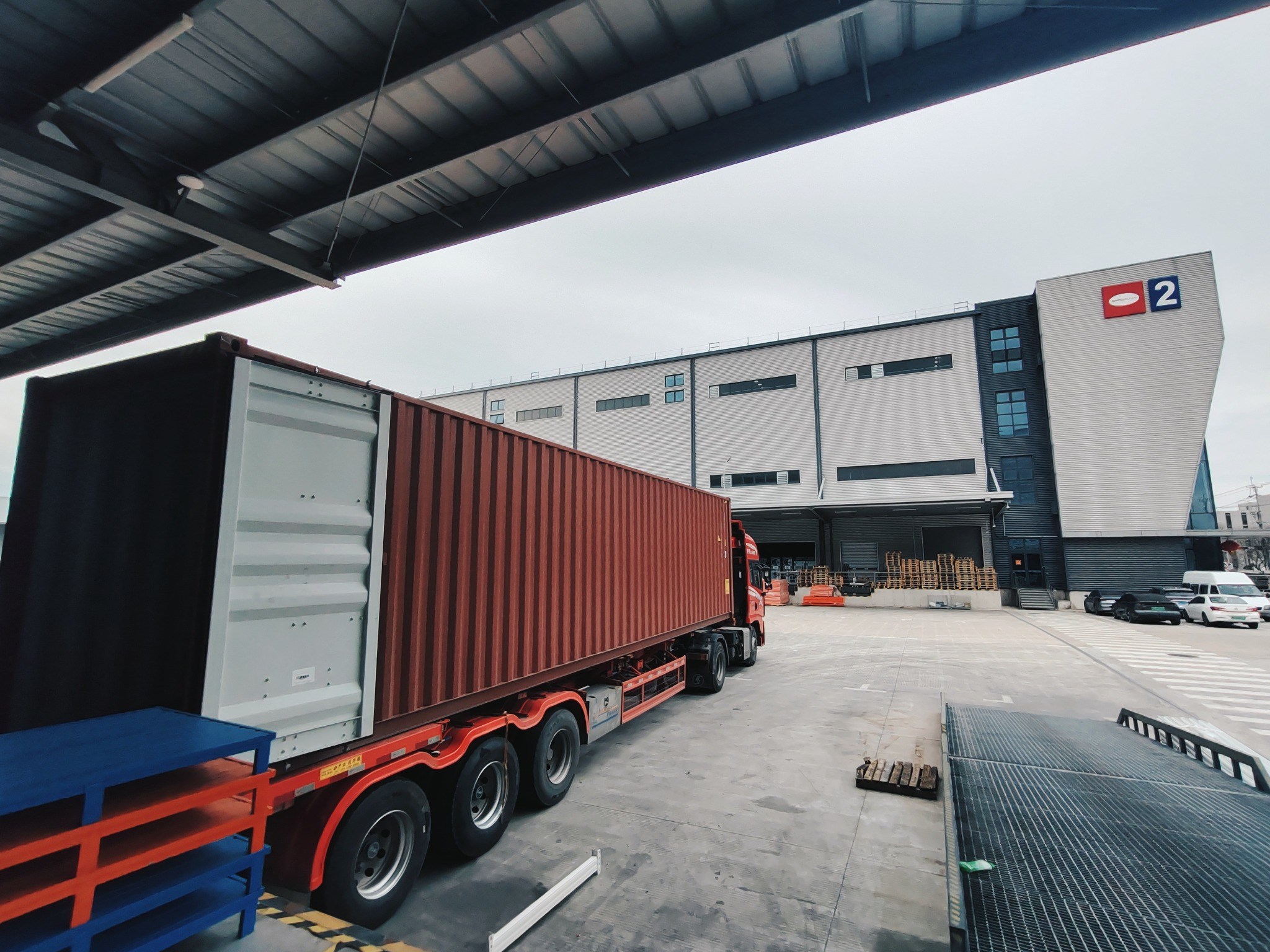
SIMPLECLEAN supports distributor discussions across commercial washers, dryers, stacked units and washer-dryer combos, including OEM/ODM requirements and model-specific configuration. The aim is to build a product line around defined applications and local conditions, with technical documentation, spare-parts support, installation and maintenance guidance, and container loading plans.
For a productive first discussion, share your target customer segment, required capacities, electrical and heating supply, payment requirements and expected quantities. This turns a broad interest in market growth into an equipment specification that can be evaluated and quoted.